Firstly, Great News!
Firstly, Great News!


🏆 2.Silicon Valley UX Awards
This project also earned the 2024 Student Honorable Mention for Student User Experience Design at the Silicon Valley UX Awards (SVUX), designed by Tian Li for the Innovation Hub.
🏆 1.Don Norman Design Award
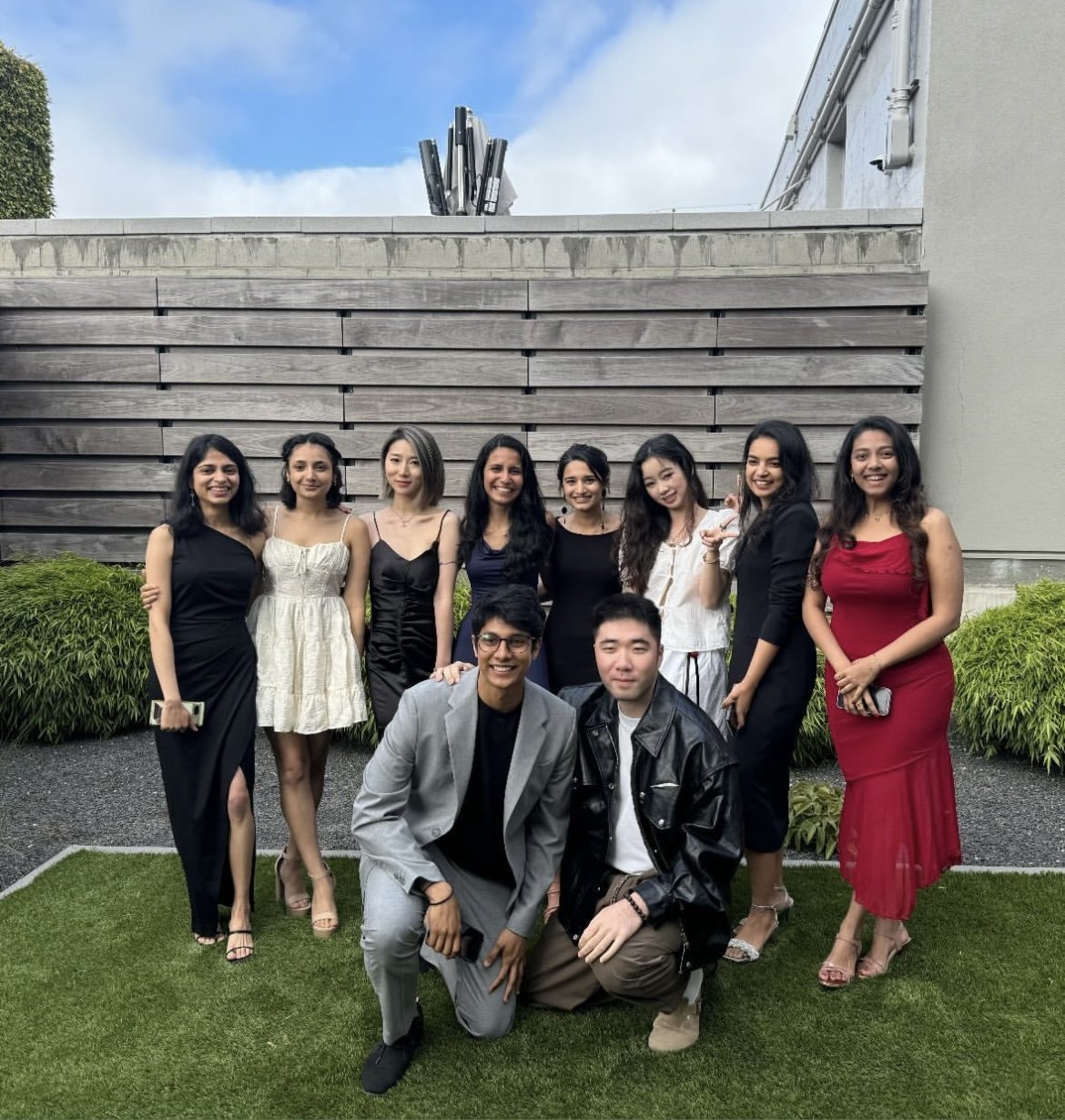
This social project played a pivotal role in the MDes Interaction Design program at California College of the Arts (CCA), being awarded the Don Norman Design Award (DNDA), a prestigious recognition that champions humanity-centered design.
And now, let’s get into the case study!

Context
Client/ Partner:
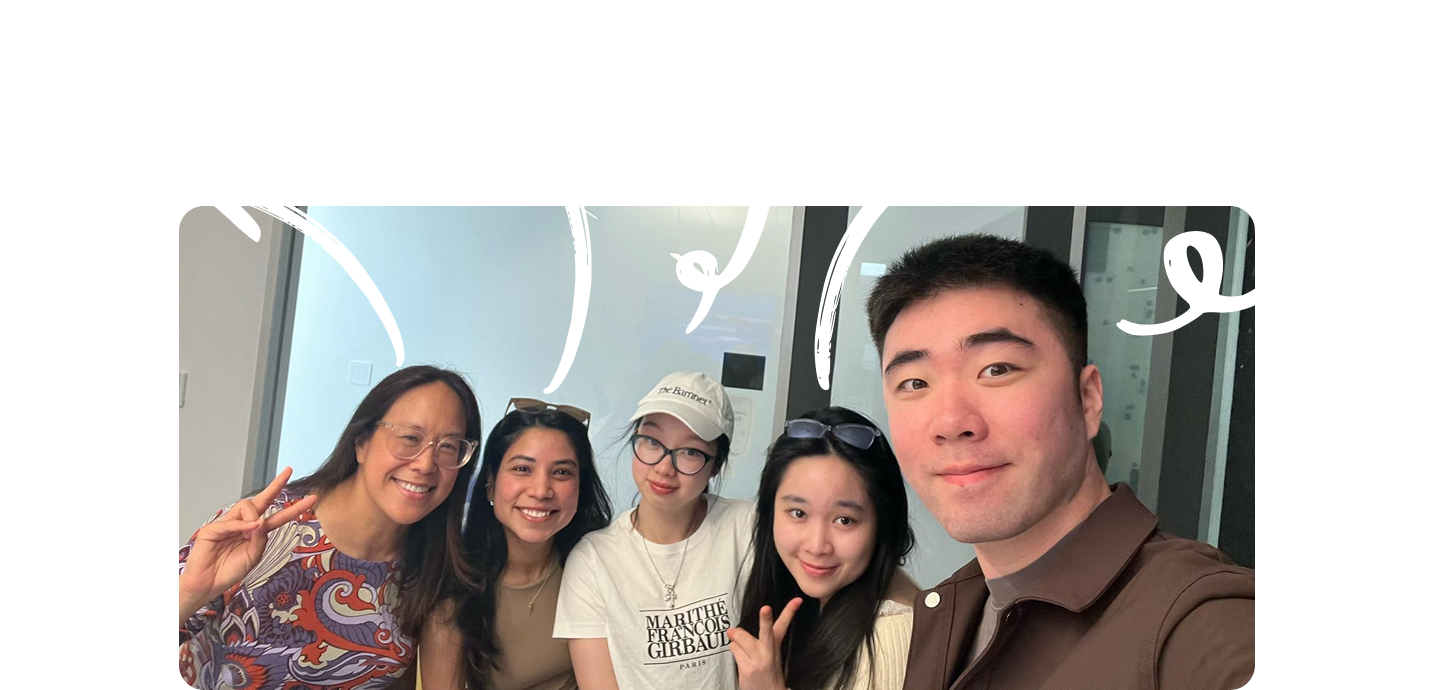
UNICEF Innovation Node partnered with CCA student team
Project Team:
Tanya Accone, Partner @Innovation UNICEF
Sarah Fathallah, Professor, Social Lab 2
Rochelle Ardesher, Professor, Social Lab 1
Blanca Hu leads visuals,
Giselle Nguyen tests solutions,
Anushriya Bhardwaj acts as the product manager, supporting product planning, coordination, and implementation, and
Tian Li, serves as the lead product designer, overseeing project re-definition, stakeholder management, and UX research while facilitating brainstorming and design strategy
Timeline:
January 2024 - August 2024
Problem
What is SDG?
Imagine global experts joining forces to tackle urgent issues like climate change and healthcare. Yet, despite their shared mission, fragmented SDG(Sustainable Development Goals) data and disconnected resources make it difficult for them to access and exchange critical insights—slowing collaboration and global progress.
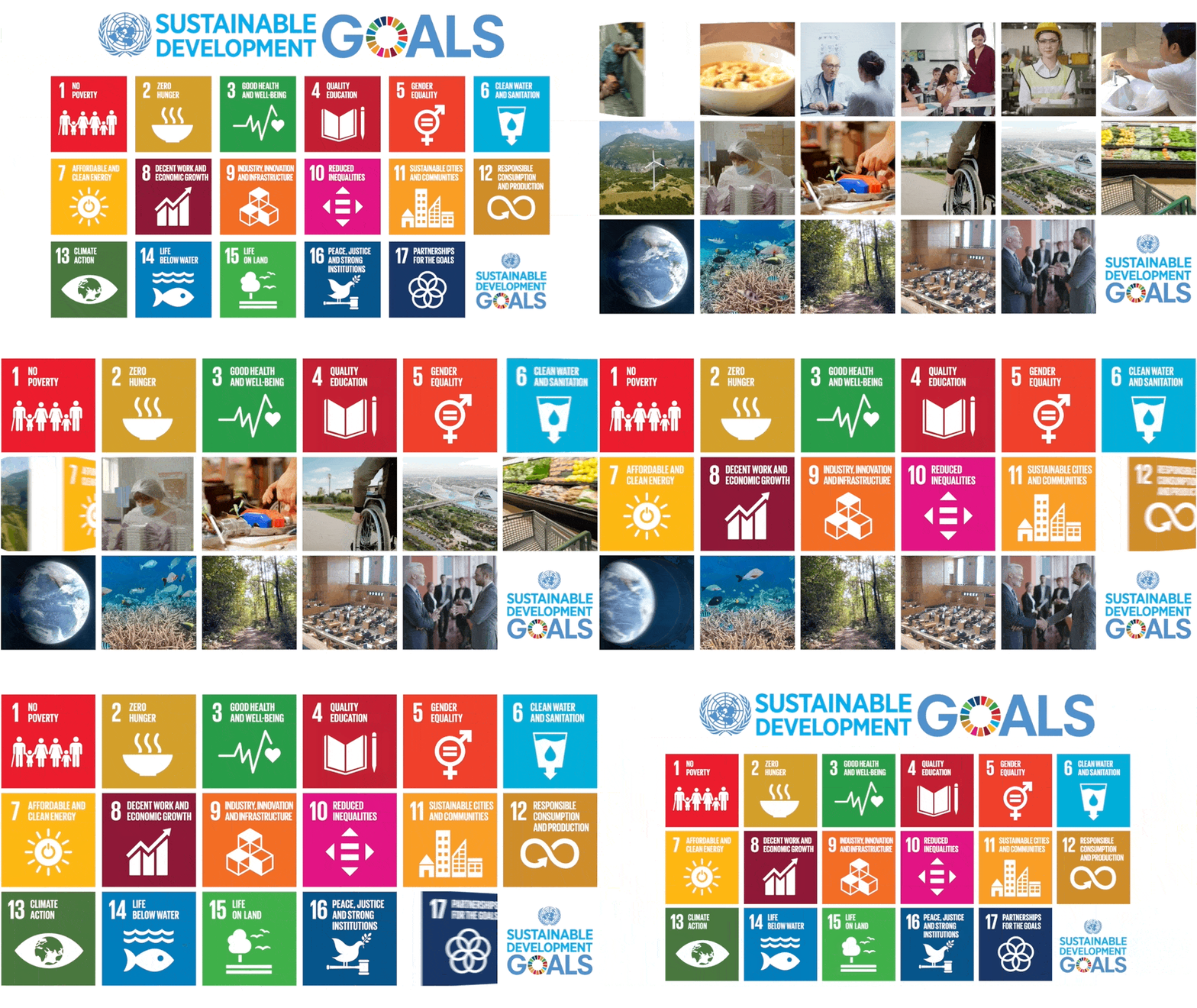
The Sustainable Development Goals (SDGs) are 17 global goals established by the United Nations in 2015.
They aim to address key global challenges like poverty, inequality, climate change, environmental degradation, peace, and justice by 2030. They provide a blueprint for achieving a better and more sustainable future for all.
*SDG-related Information = Research Papers, Reports, analytics, etc. related to SDGs.
Stakeholder Analysis
We recognized and ranked them based on their Influence and Interest on fulfilling the SDGs:
Development Practitioners
Researchers
Policy Makers
Contextual Verbatims
“I want to know more about emerging technologies so that I can help legislate it.”
- POLICY MAKER 👩🏻⚖️
“I can make ways that our academic research can have a greater social impact.”
- RESEARCHERS 👩🏻🔬
“I want to explore innovative solutions to address challenges in the communities I work with, ensuring sustainable development and improved quality of life for residents."
-DEVELOPMENT PRACTITIONER 👩🏻💻
Research Summary
Insights Mapping
Insights Synthesize
The images highlight key sources that drive our stakeholders:
Search engines serve as primary resources.
Stakeholders rely on networking for information discovery.
Professional channels like Twitter and LinkedIn are frequently used.
Libraries are preferred for in-depth research.
Insights Mapping
Stakeholders primarily rely on LinkedIn and X for updates and discussions.
They first turn to the UNICEF website for official information.
They often visit libraries for in-depth research and verified data.
Peer recommendations and word-of-mouth remain their most trusted source of insights.
Updated Aim
How might we create an intuitive, collaborative platform that unifies fragmented SDG data, empowering stakeholders to easily access, interact with, and share critical information, thereby accelerating global progress toward the SDGs?
Solution
Innovation Hub Platform
A trusted, one-stop platform by UNICEF Innovation for essential research papers, reports, and data, enabling stakeholders to make SDG-driven decisions. The comprehensive AI-leveraging platform consolidates all Innovation Nodes content into a cohesive, up-to-date resource tailored to busy users.
The visual design for the project was inspired by First Hand’s Brand Design for UNICEF Innovation.
Click to see the prototype

Landing Page
We prioritized the search bar, knowing users often sort content by SDGs. The redesigned landing page improves navigation while encouraging exploration, aligning with our partner's goal to spark curiosity and support accidental discovery.
The homepage is now divided into two sections:
Exploration Center: Allows users to browse SDG topics by typing keywords and exploring interactive bubbles, offering a fun and engaging way to discover new content.
Research Center: Provides a clear list of icons and bubbles for deeper dives into specific SDG topics, helping users access detailed information and conduct focused research.

Interactive navigation for discovering information via suggested topics
Detailed paper view:

Google-like search bar for direct keyword entry, catering to user preferences for quick topic exploration
Provided research is reading heavy thing, we wanted to give users the most comfort and ease of consuming information and sharing it.
Key Design Elements for when Users view an article: SDG Tags, Author Information,
Download, Share, and Voice Read Features, Text size, and Language.
While creating the structure and UX of this page, I drew a lot of inspiration from existing reading-heavy tools like Medium, Notion, GBooks etc.
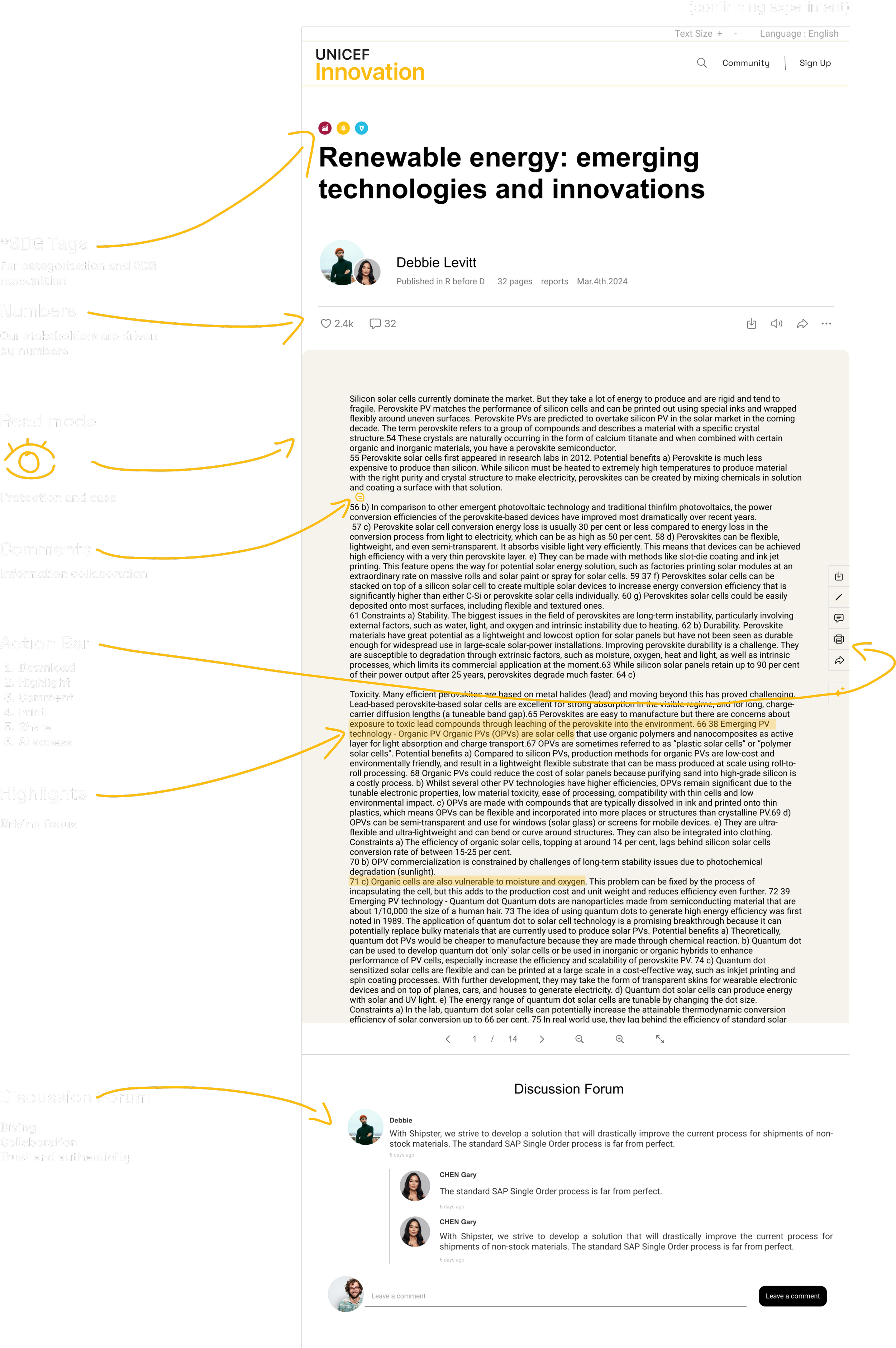
Two standout features that impressed our users the most because it solved the basic need of connection and the ease of consuming information:
1, Discussion forum
Researchers strongly requested this feature during testing, so we made it happen. They found it important to easily identify and connect with authors of articles. They asked for details like the author’s name, LinkedIn, email, website, and other works. They also mentioned that if an article isn't downloadable, contacting the author directly often gives them full access to the research or report.
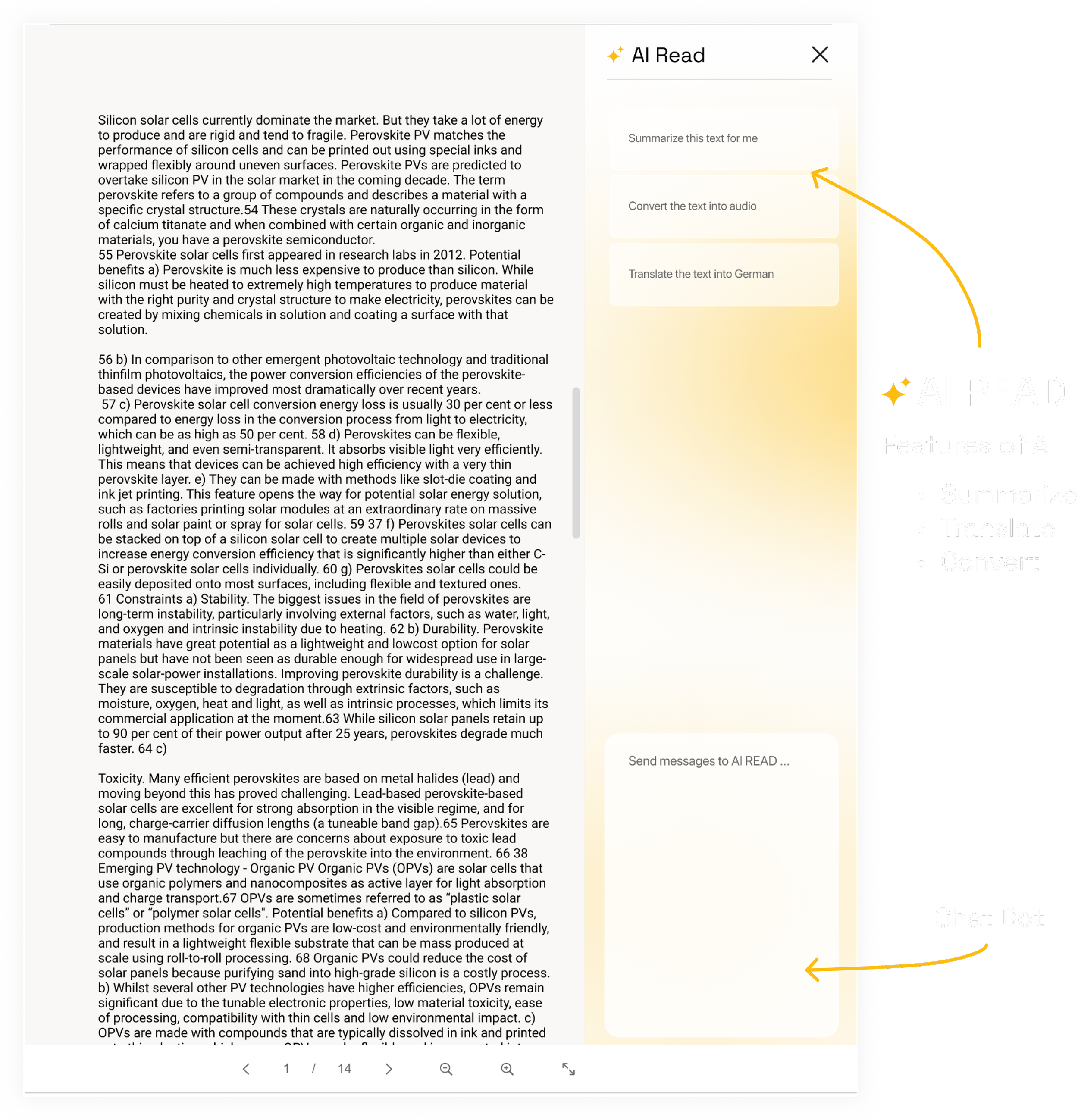
2, AI read
Summarizes and translates articles in seconds, boosting efficiency for quick overviews or translations of complex content.
Opportunities
Library
A dedicated physical space in academics (Harvard, Stanford, and CCA) and public libraries where stakeholders can access UNICEF's printed materials: Research papers, Reports, etc.
Insight: 20% offline media consumption.
In our interviews, participants claimed they "love" starting research at the library. However, when I began asking later about their last visit, 99% couldn't recall.
This highlighted the gap between what people say and do, emphasizing the importance of asking the right questions.
After sharing this fun insight with our UNICEF partners, we realized we could use it to enhance the impact of UNICEF Innovation’s printed media in libraries, boosting the solution's reach.
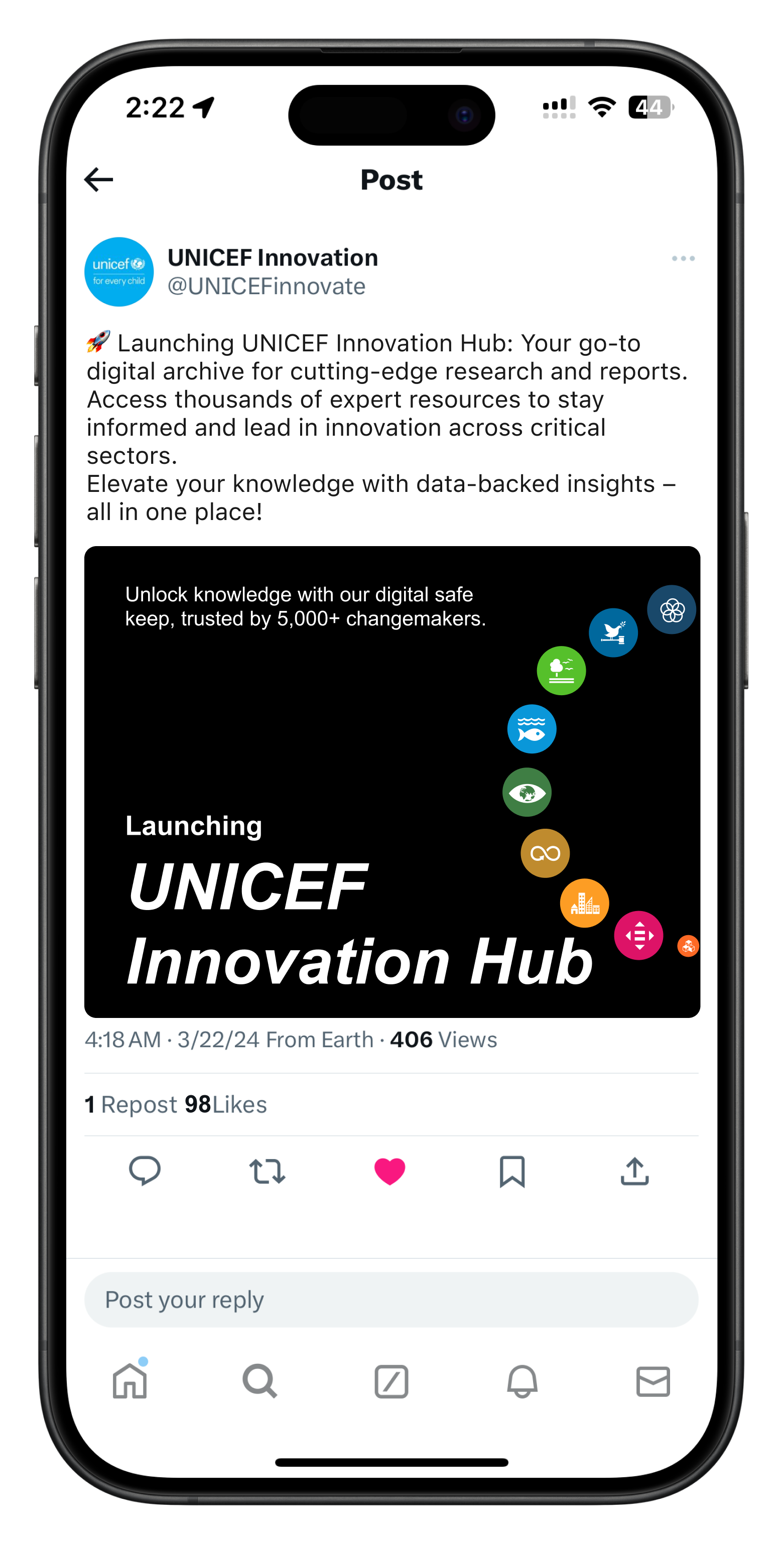
LinkedIn & X
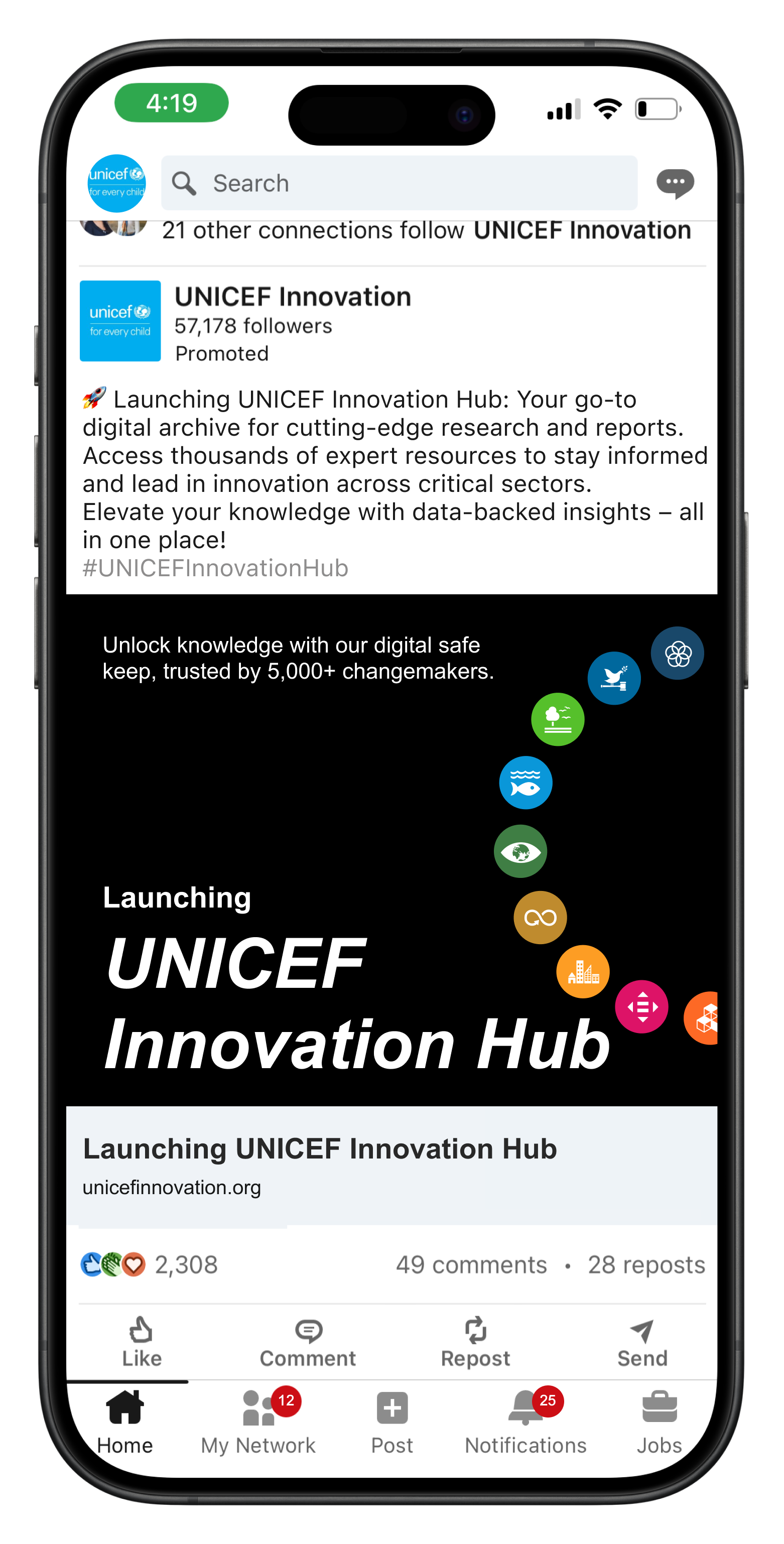

Leveraging LinkedIn and X to capture attention, as users spend 2-3 hours daily on these platforms.
Insight: Trust in information is strongly influenced by connections and peer-reviewed sources, crucial in validating research. Leverage the trust of UNICEF Innovation’s information for promotion.
Impact & Next Step
We're excited to share our collaboration with UNICEF Innovation, highlighting significant outcomes and future directions.
Adoption: UNICEF Innovation is committed to implementing our project, recognizing its potential for significant impact.
Assessment: Partners are evaluating operational and financial requirements, with AI integration as a key component.
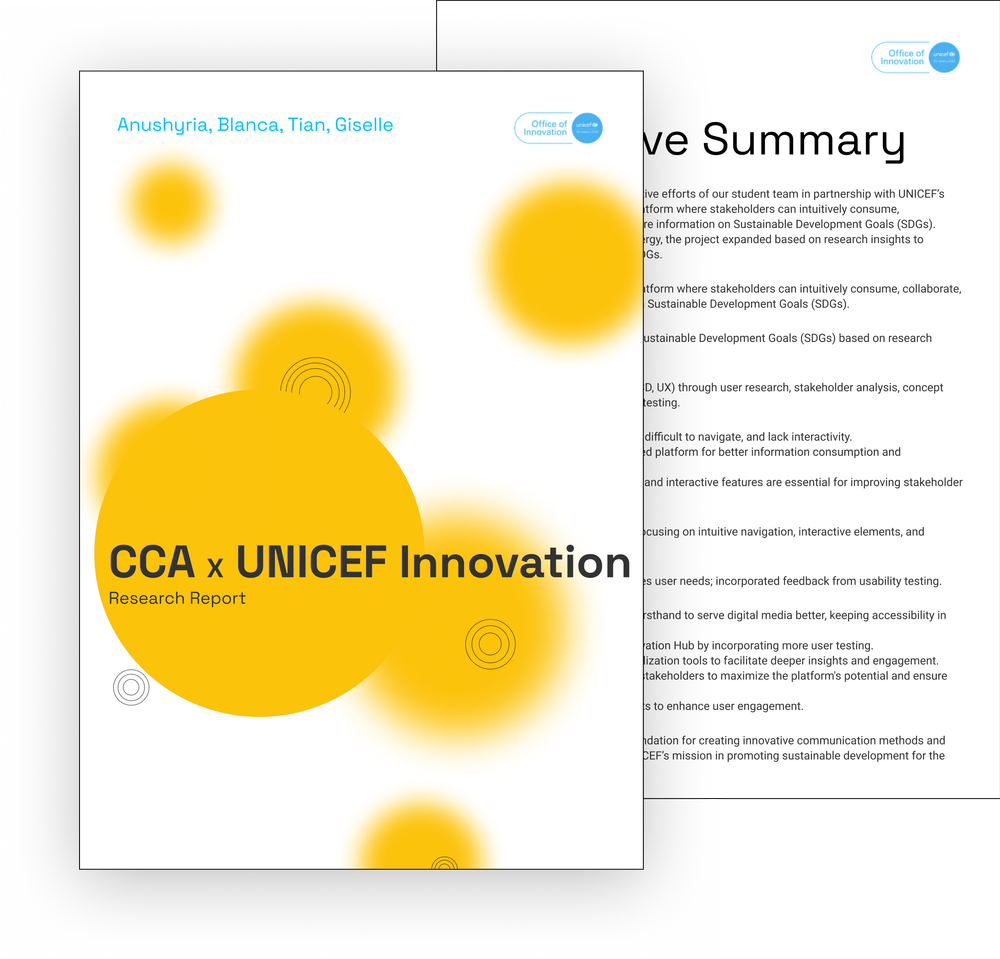
Link to the full report.
Kind Words

TANYA A. SENIOR ADVISOR ON INNOVATION, UNICEF
“Tian was an exceptionally thoughtful and grounded UX designer on our UNICEF Innovation project. He brought clarity and direction to an open-ended brief by framing the right research questions and guiding the team to focus on what truly mattered to users.
I was particularly impressed by Tian’s ability to combine analytical depth with calm, persuasive communication — for instance, he used evidence from user interviews to help the team pivot from a Google-based plugin to a more accessible web experience, which proved to be a turning point for the project.
His quiet leadership, empathy, and data-driven design thinking elevated the quality of both the work and the collaboration process.”